
If you’re wondering what R-value you need for fiberglass batt insulation, you’re not alone. It’s one of the most common questions we get at Albone’s Spray Foam. Whether you’re building new, remodeling, or just trying to bring down your energy bills, choosing the right insulation matters a lot. And not just for comfort. The wrong R-value can lead to heat loss, high utility costs, and even long-term damage to your home. In this guide, we’ll help you understand exactly what R-value is, how it impacts your home, and how to choose the right one based on your climate, building design, and budget. Let’s get into it.
R-value measures how well insulation resists heat flow. The higher the R-value, the better it insulates. Fiberglass batt insulation, one of the most widely used types, comes in a range of R-values depending on thickness and density. At Albone’s Spray Foam, we often encounter homeowners confused by the numbers and unsure of what’s actually necessary for their specific project.
The United States is divided into climate zones that each have recommended R-values for walls, attics, floors, and crawl spaces. Western New York, where we operate, generally falls into Climate Zone 5 or 6. For this region:
These values aren’t arbitrary. They come from years of building science research aimed at preventing energy loss, moisture problems, and uncomfortable indoor temperatures. We help clients choose insulation levels that not only meet code but actually make sense for their property.
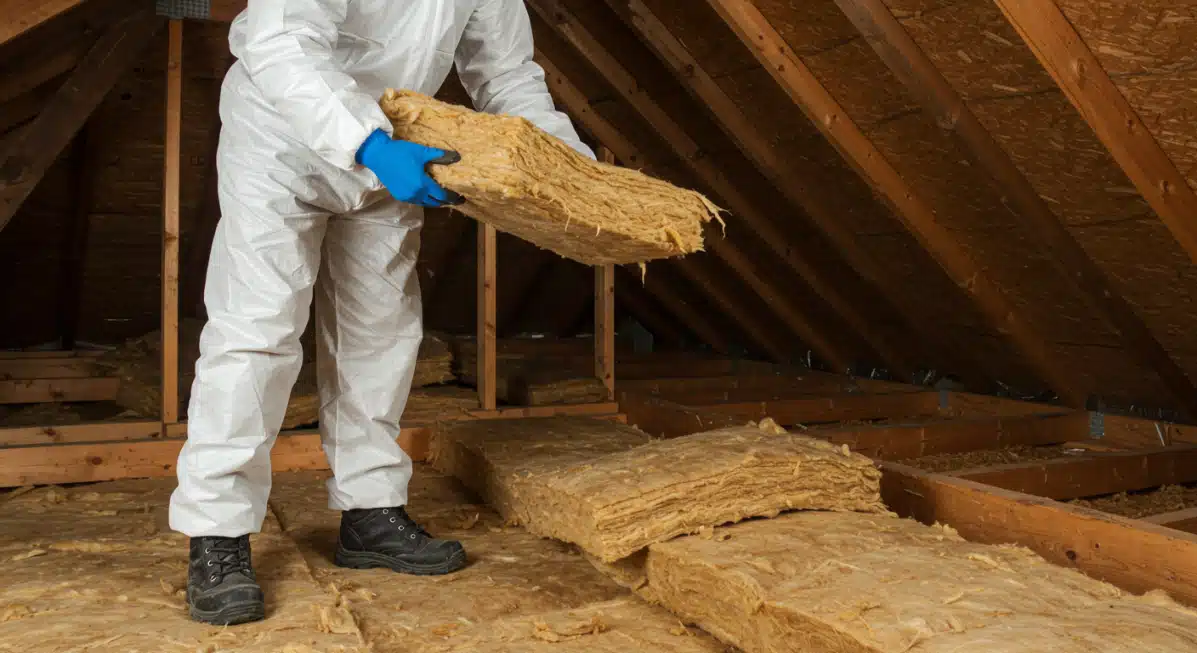
Fiberglass batts are pre-cut panels of spun glass fibers that fit snugly between studs and joists. They’re cost-effective and widely available, making them a go-to for homeowners. But not all batts are created equal. The performance depends on correct R-value selection and proper installation. If batts are compressed, poorly fitted, or installed with gaps, their effectiveness drops significantly. This is where our expertise comes in. We regularly help customers evaluate whether fiberglass is the right choice or if closed-cell or open-cell spray foam might provide better results in the long term.
Every home and renovation has its own objectives. Some people want lower energy bills. Others want better soundproofing or more consistent indoor temperatures. We help align your R-value needs with your real-world goals.
In most homes, attics are the largest source of heat loss. That’s why attic insulation usually requires the highest R-value. Installing R-49 to R-60 insulation in an attic can dramatically reduce heating and cooling costs. Wall insulation, on the other hand, may require R-13 to R-21 depending on the framing depth and wall construction. For basement walls or crawl spaces, R-25 to R-30 often strikes the right balance between efficiency and cost.
When we visit a home, we assess existing insulation and determine whether it’s underperforming. If it is, we recommend upgrades that match not just local codes, but your comfort expectations and energy usage patterns.
Sometimes fiberglass just doesn’t cut it. We’ve seen older homes with batts that have sagged or shifted, letting air leak right through. In cases like this, we often recommend combining fiberglass with spray foam for tighter air sealing. Or, if a homeowner wants the best performance possible, switching entirely to spray foam. It all depends on the structure, the use of each space, and your long-term goals.
Our team walks you through the options, cost differences, and projected savings so you can make an informed decision. It’s not always about going with the highest R-value – it’s about getting the insulation system that actually performs in your space.
Using the wrong R-value doesn’t just lead to higher energy bills. It can cause drafts, condensation issues, mold, and stress on your HVAC system. We’ve encountered homes where the insulation was too thin for the climate zone, leading to ice dams on the roof and costly water damage. In other cases, batts were installed with good intentions but didn’t meet modern efficiency standards.
Insufficient insulation can prevent a home from passing inspections, particularly in remodels or new construction. Appraisers also factor energy efficiency into home values. A house with well-insulated walls and attic space generally appraises higher than one that lacks proper thermal resistance. We help ensure your home meets current energy codes and is equipped to stand up to weather and wear.
Even high R-values won’t perform if your home leaks air. That’s why at Albone’s Spray Foam, we emphasize the importance of air sealing. We often install spray foam in key areas where fiberglass fails to provide a true seal: rim joists, wall cavities, roof junctions, and other hard-to-reach areas. Pairing the right R-value with strategic air sealing can deliver results that go beyond the numbers.
Getting insulation right isn’t guesswork – it’s science and experience. At Albone’s Spray Foam, we bring both to every project. Choosing the correct R-value for fiberglass batt insulation starts with understanding your goals, your home’s structure, and our region’s climate. From there, we guide you toward the smartest solution, whether that’s fiberglass, spray foam, or a strategic combination of the two.
We’re here to help you insulate with confidence. Call (585) 560-1369 or email [email protected] today to start your insulation upgrade with Albone’s Spray Foam.
We recommend R-49 to R-60 for attics in Climate Zone 5 and 6. This range ensures consistent comfort and strong resistance to heat loss.
You can, but it’s not always the most effective or cost-efficient approach. We assess whether increasing R-value makes sense for your home or if targeted air sealing would be more impactful.
In many cases, yes. Spray foam has a higher R-value per inch and seals air leaks at the same time. We recommend it for spaces that require maximum efficiency.
You risk higher energy costs, discomfort, and moisture issues. Over time, it can lead to structural problems or HVAC system strain.
Yes. Local and state codes require minimum R-values for different parts of a home. We ensure your insulation plan meets or exceeds these standards.
Absolutely. Hybrid systems are common and can deliver strong performance at a more manageable cost.
We offer free assessments to evaluate your current insulation levels and identify areas for improvement.
Yes. Walls, attics, basements, and crawl spaces all have different needs. We tailor insulation recommendations to each part of your home.
Indirectly, yes. Better insulation reduces drafts and moisture infiltration, which can improve indoor air quality.
Call us at (585) 560-1369 or email [email protected]. We’ll schedule a time to assess your home and provide a customized plan.
Welcome to Albone’s Spray Foam, the premier insulation experts catering to the needs of the Rochester, NY region. With a decade of unparalleled experience in the industry, our company has etched its name as a leader in providing superior insulation services.