
Blown-in fiberglass insulation is an effective way to improve the energy efficiency and comfort of both homes and businesses. When considering this insulation type, one common question is: does blow-in insulation contain fiberglass? Let’s explore this in detail to help you make an informed decision.
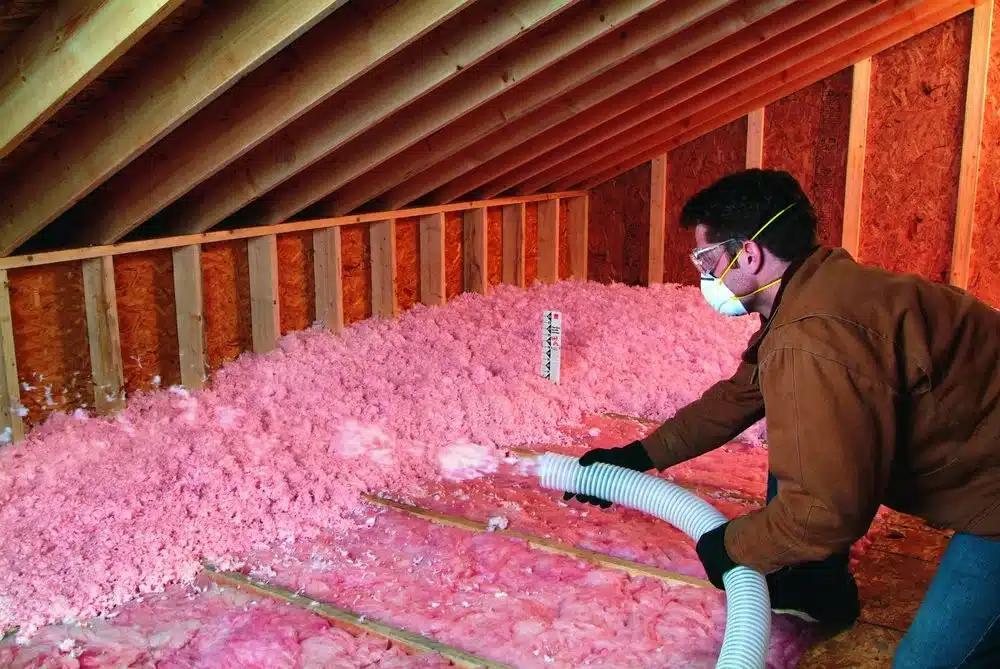
Blow-in insulation, sometimes called loose-fill insulation, consists of small particles that are blown into attics, walls, or other cavities using specialized equipment. The loose nature of this insulation makes it ideal for filling irregular spaces, ensuring that no gaps are left for drafts to enter. It can be a popular option for improving the energy efficiency of older homes, as it provides an easy way to add insulation to existing walls without major reconstruction.
Blow-in insulation is available in a few different materials, including cellulose, mineral wool, and fiberglass. While each material has unique advantages, today we’ll focus specifically on fiberglass blow-in insulation, its benefits, and its potential concerns.
To answer the main question: Yes, blow-in insulation can and often does contain fiberglass. Fiberglass is one of the most common materials used for blown-in insulation. The reason for this popularity comes down to several key advantages:
Fiberglass insulation is made up of fine glass fibers. For blow-in insulation, these fibers are shredded into loose particles, which can then be blown into wall cavities, attics, and other spaces. The loose nature of the fiberglass allows it to form an even, continuous layer that helps eliminate gaps and cold spots.
When installed properly, blown-in fiberglass insulation can achieve an impressive R-value (a measure of thermal resistance), which directly translates to a better-insulated building. The R-value will vary depending on the thickness and density of the material applied, but fiberglass is typically very effective in both warm and cold climates.
Many homeowners are concerned about the safety of blown-in fiberglass insulation—understandably so, since fiberglass is composed of glass fibers that can be irritating to the skin, eyes, and respiratory system.
When properly installed by professionals, the risks associated with fiberglass insulation are minimal. Installers wear protective gear to prevent direct contact with the fibers, and once the insulation is in place and sealed within the walls or attic, it poses little risk to occupants. Modern fiberglass products are also often treated to reduce dust and prevent airborne particles from being released.
Blow-in fiberglass insulation offers numerous benefits for both residential and commercial properties. Here are some of the key advantages:
While blown-in fiberglass insulation has many benefits, it’s also important to consider potential downsides:
For those trying to decide between blown-in fiberglass and other insulation types, it can be helpful to compare their characteristics:
When considering insulation options, it’s important to think about your specific needs, budget, and long-term goals for your property. Blown-in fiberglass insulation is a great choice for those who want a cost-effective, efficient solution for attics or wall cavities. It is especially beneficial for retrofitting older homes where adding traditional insulation may be challenging.
For homeowners and property developers in Rochester, NY, Albone’s Spray Foam offers professional insulation solutions tailored to your specific requirements. Whether you need to improve your attic insulation, insulate walls, or upgrade the energy efficiency of your entire building, our team can help you select the best material for your needs.
To get the full benefits of blown-in fiberglass insulation, professional installation is crucial. Properly installed insulation will fill all the necessary spaces without leaving gaps, ensuring maximum energy efficiency and comfort.
At Albone’s Spray Foam, our experienced team has the tools and expertise needed to handle insulation projects of all sizes. We use top-quality products, and our technicians take care to ensure that installations are done safely and effectively.
If you are considering Rochester’s blown-in fiberglass insulation for your home or business in the greater Rochester, NY area, reach out to Albone’s Spray Foam today. Our team is ready to help you find the perfect insulation solution to improve comfort, lower energy bills, and make your property more sustainable.
Contact us at (585) 560-1369, visit our website at https://albonesprayfoam.com/, or email us at [email protected] to learn more about our services or to schedule a consultation.
1. Does blow-in insulation contain fiberglass?
Yes, blow-in insulation can contain fiberglass, which is a common material used for its effectiveness and affordability.
2. Is fiberglass insulation safe?
When installed by professionals, fiberglass insulation is safe for occupants, with minimal risks of irritation.
3. Can blown-in fiberglass be used in walls?
Yes, blown-in fiberglass insulation can be used in both attics and wall cavities for enhanced energy efficiency.
4. How long does blown-in fiberglass insulation last?
Blown-in fiberglass insulation can last 20-30 years or more with proper installation and maintenance.
Welcome to Albone’s Spray Foam, the premier insulation experts catering to the needs of the Rochester, NY region. With a decade of unparalleled experience in the industry, our company has etched its name as a leader in providing superior insulation services.