
Modern infrastructure projects face challenges like unstable ground conditions, increasing environmental constraints, and the need for long-lasting durability. Soil stabilization offers a practical solution by improving soil properties to support construction projects. This article explores innovative soil stabilization techniques that address the demands of contemporary construction.
Soil stabilization is the process of altering soil properties to enhance strength, durability, and resistance to environmental factors. It ensures a stable foundation for roads, buildings, and other infrastructure. Effective stabilization minimizes settlement, increases load-bearing capacity, and reduces maintenance costs.
While effective, traditional methods often fall short in addressing modern infrastructure requirements such as sustainability, cost-efficiency, and adaptability to various soil types.
Enzyme-based stabilizers are eco-friendly solutions that enhance soil properties by promoting biochemical reactions. These enzymes bind soil particles, increasing compressive strength without harmful chemicals.
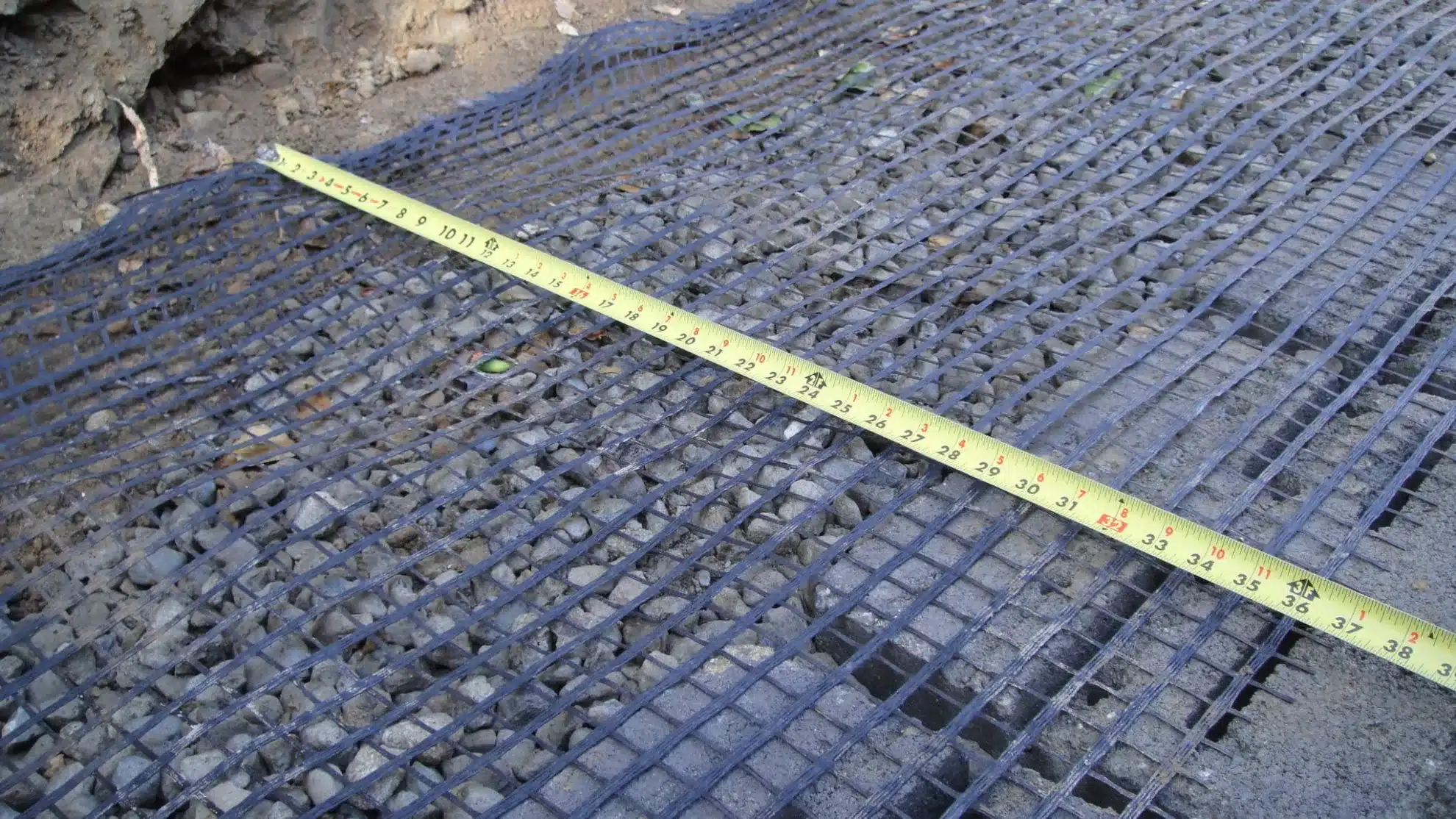
Geosynthetics, such as geotextiles, geogrids, and geomembranes, are synthetic materials placed within soil layers to improve stability and load distribution.
MICP employs specific bacteria to induce calcite formation within soil. This natural cementation process binds soil particles, increasing shear strength and reducing permeability.
Polymers are applied to soil as liquid or powder to create a durable, water-resistant matrix. These materials offer rapid stabilization and are effective across a wide range of soil conditions.
The choice of stabilization method depends on several factors:
Growing environmental concerns drive the adoption of green technologies. Enzyme-based and microbial methods reduce reliance on harmful chemicals while delivering effective stabilization.
Real-time sensors and monitoring systems now allow engineers to assess soil conditions during and after stabilization. This enhances precision and ensures long-term performance.
Combining techniques—such as geosynthetics with chemical additives—can address complex site conditions and optimize results.
Ensuring successful implementation of innovative soil stabilization methods involves the following steps:
For assistance with modern stabilization techniques, contact Albone’s Spray Foam at (585) 560-1369 or email [email protected]
Innovative soil stabilization techniques are transforming modern infrastructure by addressing challenges like unstable ground, environmental impact, and cost-efficiency. By integrating advanced methods such as enzyme stabilization, MICP, and geosynthetics, projects can achieve enhanced durability and sustainability. For expert advice and services, reach out to Albone’s Spray Foam at (585) 560-1369 or email [email protected].
Costs vary based on the method used, project size, and site conditions. Enzyme-based solutions are typically cost-effective, while advanced options like MICP may have higher initial costs.
Yes, techniques such as enzyme stabilization and MICP prioritize sustainability and minimize environmental impact.
Properly stabilized soils can last decades, with durability depending on the chosen method and environmental conditions.
Many techniques, such as polymer stabilization and geosynthetics, are suitable for both small and large-scale projects.
Yes, most modern stabilization methods, including polymer-based solutions, offer high resistance to weathering and erosion.
Consult with experts to assess soil type, project requirements, and budget constraints. Comprehensive testing can help identify the most suitable technique.
Yes, applying these techniques requires knowledge of soil behavior, material properties, and proper application methods.
Geosynthetics enhance load distribution, reduce erosion, and improve drainage, making them ideal for infrastructure requiring high stability.
Yes, modern techniques adapt well to urban projects, addressing challenges like space constraints and environmental regulations.
Yes, methods like MICP and geosynthetics can improve soil drainage and resilience, making them effective for flood-prone regions.
Welcome to Albone’s Spray Foam, the premier insulation experts catering to the needs of the Rochester, NY region. With a decade of unparalleled experience in the industry, our company has etched its name as a leader in providing superior insulation services.